

Professor Semih Keskil
Pediatric Neurosurgeon | Researcher | Developer of PAMO
Four Decades of Clinical Experience, Research, and Innovation
Professor Semih Keskil is one of Türkiye's most experienced pediatric neurosurgeons, with more than four decades dedicated to the care of children and adolescents with neurological and spinal disorders.
Throughout his career, he has combined clinical practice, academic research, medical education, and surgical innovation, contributing to multiple fields including pediatric neurosurgery, neuroanatomy, cerebrospinal fluid dynamics, and spinal surgery. His work has resulted in scientific publications, patented surgical instruments, academic leadership positions, and international recognition.
Today, he continues to focus on selected spinal conditions, including adolescent idiopathic scoliosis, where decades of clinical observation ultimately led to the development of the PAMO procedure.
Academic and Clinical Credentials
More Than 40 Years in Pediatric Neurosurgery
Nearly 10,000 Surgical Procedures Performed
Author of 209 Scientific Publications
Referenced in 45 International Medical Textbooks
Founder of Three University Neurosurgery Departments
Developer of Internationally Patented Surgical Instruments
Included in Marquis Who's Who in the World at Age 33
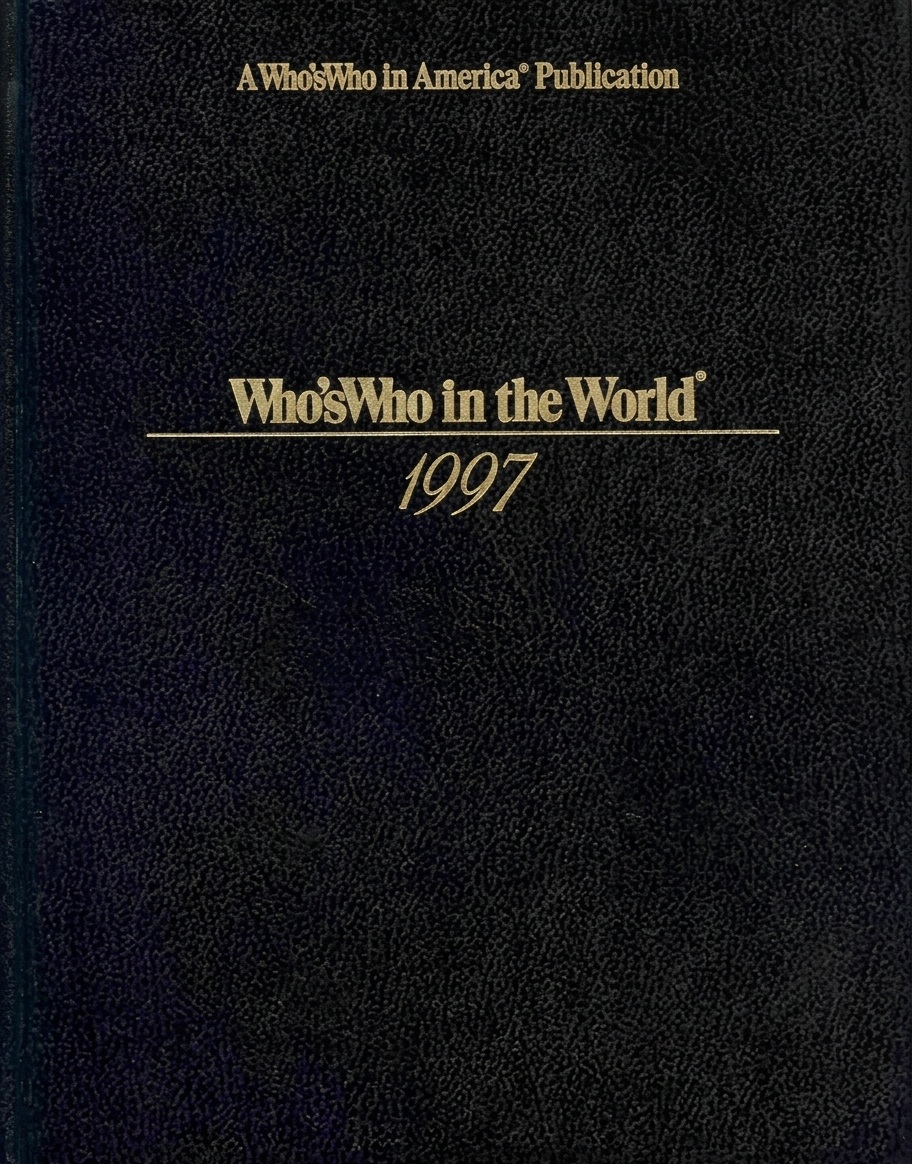
Included in Marquis Who's Who in the World at Age 33
Professor Keskil's academic achievements were recognized early in his career. At the age of 33, he was included in Marquis Who's Who in the World, an international biographical reference recognizing individuals who have achieved distinction within their professional fields.
Over the following decades, his scientific and clinical work continued to contribute to advancements in neurosurgery and spinal care through research, education, and innovation.
View Certificate (PDF)A career devoted to research and education.
The development of PAMO was shaped by the intersection of several disciplines that have defined Professor Semih Keskil's career. As a pediatric neurosurgeon, he spent decades treating children and adolescents with neurological and spinal disorders — extensive exposure to the clinical challenges associated with scoliosis and spinal deformities.
His academic work in neuroanatomy contributed a detailed understanding of the anatomical structures surrounding the spine, including the complex relationships between the nervous system, the musculoskeletal system, and the paraspinal musculature. Years of experience in spinal surgery further reinforced the importance of spinal biomechanics and the functional structures responsible for maintaining balance and alignment.
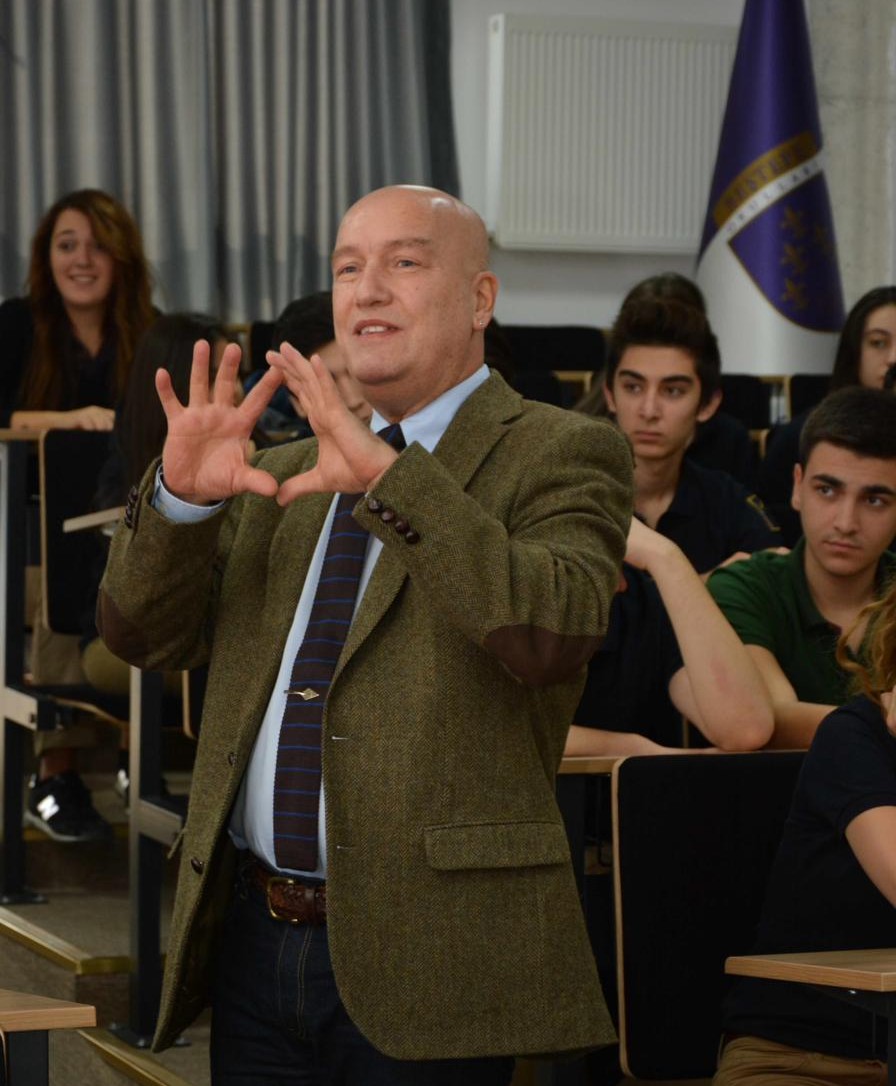
Clinical & Research Expertise
Pediatric Neurosurgery
Neuroanatomy
Cerebrospinal Fluid Dynamics
Spinal Disorders
Surgical Instrument Design
Clinical Neuroscience Research
Consistency, from evaluation to follow-up.
PAMO is a specialized clinical procedure that requires detailed patient selection, imaging interpretation, procedural planning, and hospital-based implementation. As the developer of the protocol, Professor Keskil currently performs all PAMO procedures personally in Ankara, Türkiye — an approach that ensures consistency in patient evaluation, procedural application, and clinical follow-up.

Commitment to Patients and Families
Professor Keskil believes that informed decision-making is an essential part of scoliosis care. Every patient undergoes a comprehensive clinical and radiological evaluation before eligibility for PAMO is considered. The goal is not simply to perform a procedure, but to determine whether the procedure is appropriate for each individual patient.
A simple screening check you can perform at home:
- Ask your child or teenager to bend forward.
- Look for any one-sided prominence, asymmetry, or raised areas along the back.
- Check whether the shoulders are level.
- Observe whether the head is aligned with the center of the torso.
- Look for a possible difference in leg length.
If you notice any asymmetry, consult a spine specialist for further assessment.
Early detection allows scoliosis to be assessed and monitored in a timely manner, helping determine the most appropriate management approach for each individual.
The exact cause of adolescent idiopathic scoliosis is not yet fully understood. The term idiopathic means that the underlying cause is unknown.
Research suggests that genetic predisposition, hormonal factors, and differences in nervous system development may play a role. Individuals with a family history of scoliosis may have a higher risk of developing the condition.
There is currently no scientific evidence that poor posture or carrying a heavy backpack causes adolescent idiopathic scoliosis.
Adolescent idiopathic scoliosis is more common than many people realize, affecting an estimated 2–3% of adolescents worldwide. However, only around 10–15% of those affected develop curves severe enough to require treatment.
For years, the options available to these patients were largely limited to bracing or surgery. Until now.
Introducing Professor Semih Keskil
Academic and Clinical Documents
Ready to learn if PAMO is right for your child?
Begin with a free remote preliminary assessment — reviewed personally by Professor Semih Keskil and his team.