

A hospital-based procedure built on four decades of clinical experience.
Non-Surgical and Brace-Free
No incision. No stitches. No general anesthesia. PAMO is a hospital-based medical procedure designed for selected adolescents with idiopathic scoliosis.
Efficient Hospital-Based Care
The procedure typically takes approximately one hour, and patients are generally discharged the same day following observation.
Built on Four Decades of Clinical Experience
PAMO reflects Professor Semih Keskil's four decades of pediatric neurosurgical practice and nearly a decade of dedicated research into paraspinal muscle asymmetry and spinal balance.
Individualized Procedural Planning
Every patient undergoes a comprehensive clinical and radiological evaluation. In most cases, two procedural courses are sufficient, while a third is required only occasionally.
The Role of Paraspinal Muscles in Spinal Balance
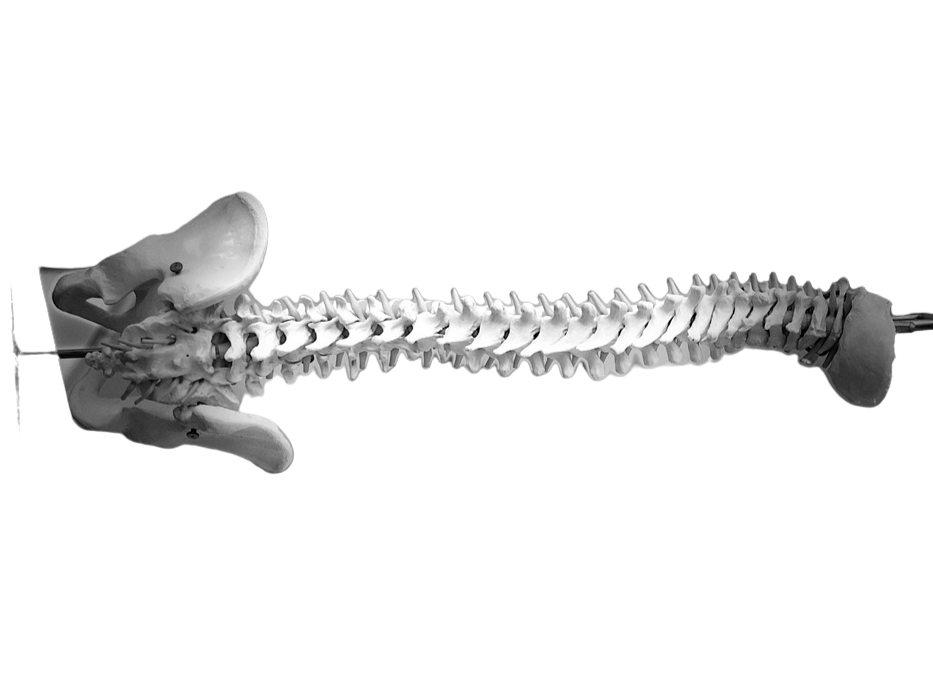
The paraspinal muscles play an important role in spinal alignment through the regulation of muscle tone, force symmetry, and functional control. When these mechanisms become imbalanced, asymmetric forces may be transmitted to individual vertebral segments — over time contributing to the maintenance and progression of spinal curvature in some patients.
This perspective led Professor Semih Keskil to investigate whether selected muscular structures could represent a meaningful point of clinical intervention. PAMO was developed within this clinical framework, focusing on restoring functional balance within selected paraspinal muscle groups rather than addressing spinal curvature alone.
PAMO focuses on restoring functional balance within selected paraspinal muscle groups rather than addressing spinal curvature alone.

Two Simple Questions
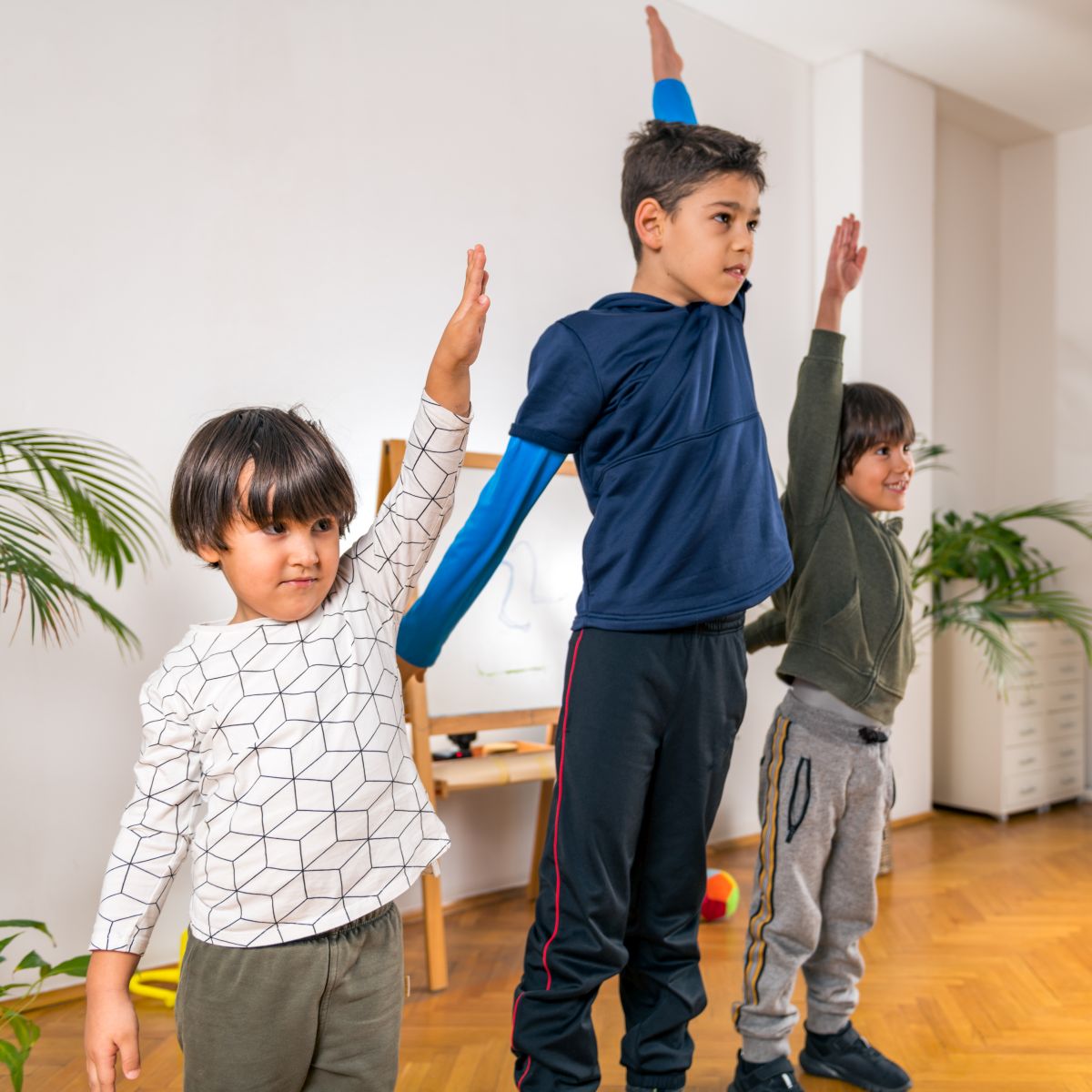
Is Your Child Between 10 and 20 Years of Age?
PAMO was developed for selected adolescents during the years when growth is still ongoing and spinal flexibility may allow for greater procedural benefit.

Is the Cobb Angle Between 20° and 50°?
If your child's scoliosis falls within this range, it may be worth learning more about PAMO before deciding to rely solely on observation or considering major corrective surgery.
Four Decades Dedicated to Pediatric Spine Care
For more than 40 years, Professor Semih Keskil has treated children with neurological and spinal disorders. Throughout his career, he observed a recurring challenge: many young scoliosis patients struggled with brace compliance, while others wished to avoid surgery but had few alternatives.
Decades of pediatric neurosurgical practice, combined with doctoral-level expertise in neuroanatomy, gave Professor Keskil a unique ability to evaluate both the structural and neurological dimensions of the spine — a perspective that, after nearly a decade of research and clinical evaluation, became PAMO.
"For forty years, I performed surgical treatments for scoliosis. Many of my patients struggled with braces, while others chose to live with their curvature rather than undergo surgery. This is what motivated me to search for a different solution."
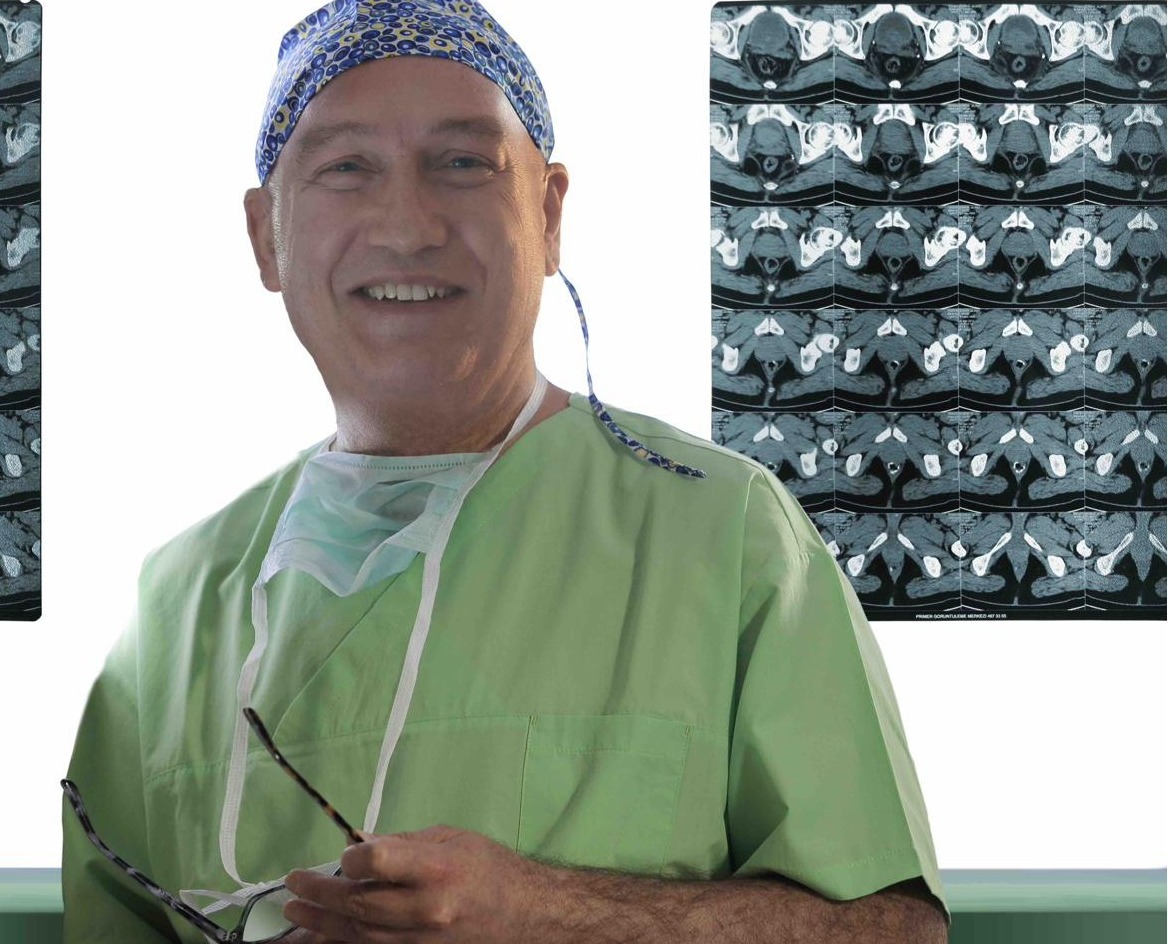
Watch Professor Semih Keskil explain the clinical philosophy behind PAMO.
Why Families Trust Professor Semih Keskil
Frequently Asked Questions About PAMO
Find answers to the questions families ask most frequently about PAMO.
Paraspinal muscle imbalance plays a central role in the biomechanics of scoliosis progression. Rather than viewing scoliosis solely as a structural spinal deformity, the PAMO approach recognizes muscle imbalance as a dynamic factor that can be addressed. This biomechanical perspective provides the scientific foundation for improving spinal stability through functional muscle optimization.
While bracing may help limit curve progression in selected patients by providing external mechanical support to the spine, it does not directly address the underlying paraspinal muscle imbalance that contributes to scoliosis progression. The effectiveness of brace treatment varies depending on factors such as patient selection, skeletal maturity, and compliance. Treatment recommendations are always individualized. Professor Semih Keskil discusses all appropriate management options with each patient and family before recommending PAMO.
The agents used during the PAMO procedure are medical preparations approved by both the U.S. Food and Drug Administration (FDA) and the European Medicines Agency (EMA). To date, no clinically significant side effects have been observed following the procedure. The composition of the formulation and the treatment protocol are explained in detail by the physician to the patient and their family following the preliminary evaluation.
PAMO is performed in a hospital operating room to ensure a fully sterile environment and to allow the use of real-time radiological image guidance throughout the procedure. Neither general nor local anesthesia is required. Instead, a topical anesthetic cream is applied to the treatment area to maximize patient comfort, allowing the procedure to be performed without surgical anesthesia.
The procedure is performed using radiological image guidance to ensure precise placement of the treatment. The level of radiation exposure is low and comparable to that of standard fluoroscopy-guided medical procedures. Professor Semih Keskil carefully considers radiation safety throughout every stage of the procedure, particularly because the treatment is intended for adolescents.
A small degree of recurrence, typically around 2–3 degrees, may occur over time. For this reason, regular follow-up is an essential part of the PAMO treatment protocol. Ongoing monitoring allows each patient's progress to be assessed and helps determine whether any additional treatment is necessary.
No. PAMO can be successfully performed in patients up to 20 years of age with Cobb angles of up to 50 degrees. Being close to the upper limit does not, by itself, reduce the likelihood of a successful outcome. Every patient is evaluated individually, taking into account the overall clinical picture rather than the Cobb angle alone.
When performed at the appropriate stage of scoliosis progression, PAMO is intended to reduce the likelihood that surgery will become necessary. However, in the uncommon event that curve progression cannot be controlled or the deformity continues to advance, surgical treatment remains a viable option. PAMO does not make subsequent scoliosis surgery more difficult.
No. When performed using the appropriate dosage and treatment intervals, PAMO does not cause damage to the paraspinal muscles. The procedure is designed to restore functional muscle balance while preserving the integrity of healthy muscle tissue.
The interval between treatment cycles is determined individually by Professor Semih Keskil based on each patient's clinical progress. There is no fixed schedule, as every treatment plan is tailored to the patient's specific needs and response.
No. PAMO can be successfully performed in suitable patients up to 20 years of age with Cobb angles of up to 50 degrees. Eligibility is determined through a comprehensive clinical evaluation rather than age alone.
Scoliosis is not simply a spinal curve. It is a dynamic condition influenced by the forces acting on the spine, including paraspinal muscle balance. When these forces remain uncorrected, curve progression is more likely over time. This understanding forms the biomechanical foundation of the PAMO approach.
It can be. If left untreated, progressive scoliosis may lead to problems that extend far beyond posture or appearance. As the curve increases, abnormal loading of the spine can contribute to chronic pain, structural deformity, reduced lung capacity, and, in severe cases, impaired respiratory function. Early evaluation and appropriate management are important in reducing the risk of progression and its long-term consequences.
Three Simple Steps
Prepare Assessment Images
Standing images allowing assessment of posture, shoulder symmetry, and pelvic alignment.
Prepare Medical Records
Full-spine standing radiographs, CT/MRI reports, EOS studies if available — from the last six months.
- MRI
- CT
- EOS
- X-ray
Submit Your Case
Contact the PAMO Med International Patient Unit to receive your personal case reference, then upload your medical records securely through the link provided by our doctor.
Preliminary assessment results are typically provided within three business days.
Who Is Not a Candidate for PAMO?
Appropriate patient selection is fundamental to the PAMO protocol.
Adult Scoliosis
Congenital Scoliosis
Neuromuscular Scoliosis
Ready to Take the Next Step?
A short conversation with our International Patient Unit is the first step toward understanding whether PAMO may be an appropriate option for your child.
Contact International Patient Office →